
Service Detail
Roofing Trade Coordination In Grand Prairie, TX
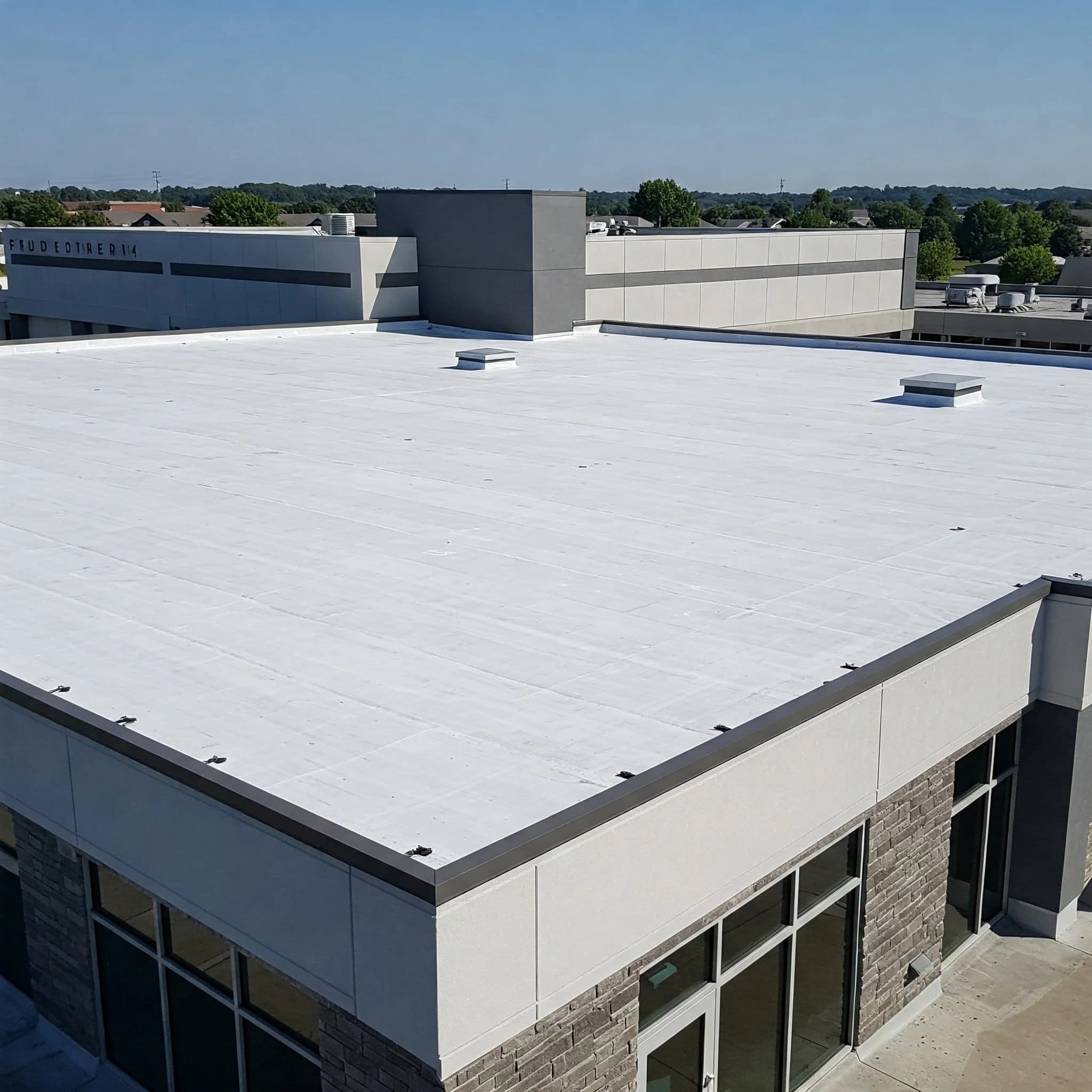
Roofing trade coordination on panelized and shell projects where our concrete scope leads. We manage the roofing subcontractor relationship and sequence close-in around our structural work. This page provides practical planning and delivery guidance for owners, developers, and facilities teams managing roofing trade coordination scopes in Dallas-Fort Worth.
Overview
Scope Highlights
Roofing Trade Coordination supports roofing trade coordination on projects where our concrete and tilt-wall scope leads. In this market, the strongest outcomes come from early constructability review, clear scope definition, and disciplined field execution. Owner teams typically use this scope in tilt-wall and pre-engineered warehouse buildings, office and retail shell buildings, industrial facilities needing roof replacement or repair, properties bundling roof work with a broader capital improvement project, where schedule certainty and long-term durability both matter for business continuity.
- Technical focus on roof-to-wall detailing coordinated with tilt-wall panel erection
- Preconstruction planning for rooftop equipment curb coordination with the mechanical trade
- Field coordination around panel erection completion before roof deck work begins
- Risk controls including weather windows tracked for both concrete and roofing crews
- Lifecycle planning for roof warranty and inspection records handed off with concrete closeout
- Documented turnover for ownership and facilities teams
Clear Scope Control
Detailed bid packages and constructability review reduce ambiguity before procurement and improve schedule predictability.
Operationally Aware Sequencing
Execution planning reflects active-site realities, including rooftop curb and penetration locations confirmed with mechanical trade and roof drain and scupper tie-ins with our site drainage plan.
Quality-First Field Workflow
Trade sequencing and hold-point inspections are tied to schedule and coverage risk, with emphasis on trade partner licensing and warranty documentation confirmed before mobilization.
Lifecycle-Oriented Handoff
Closeout documentation supports facilities teams with practical guidance around drainage performance monitoring tied to our site grading work.
Process
Delivery Steps
Step 1
Scope Definition And Trade Interface Review
Identify where roofing trade coordination intersects our concrete scope so bid pricing and sequencing reflect real handoff points.
Step 2
Trade Partner Vetting And Schedule Alignment
Confirm the trade partner's capacity and align their schedule with roof-to-wall detailing coordinated with tilt-wall panel erection.
Step 3
Sequenced Mobilization With Concrete Work
Coordinate mobilization so roofing trade coordination and our concrete placements do not block each other on site.
Step 4
Field Execution And Hold-Point Inspections
Inspect trade work at each hold point before it is covered by concrete, and document conditions on both sides of the handoff.
Step 5
Combined Closeout And Facilities Handoff
Deliver one closeout package covering both the concrete scope and this trade's documentation for ownership and facilities teams.
Applications
Project Types
Tilt-wall warehouse roof close-in coordination
Office and retail shell roof replacement
Industrial roof repair paired with concrete repair work
Rooftop equipment curb and penetration coordination
Capital improvement roof and paving bundled projects
Roof drainage tie-ins with site grading upgrades
Technical Guide
Roofing Trade Coordination Planning In DFW
This section is written for commercial owners, developers, and facilities teams that need detailed planning context before bidding and construction starts.
Roofing Trade Coordination As A Coordinated Sub Scope In North Texas
Roofing Trade Coordination is not a scope our crews self-perform. We manage it as a coordinated subcontractor scope, holding the schedule and the single point of contact so a general contractor or owner is not left chasing a separate vendor. In Grand Prairie and the wider DFW market, that structure matters most on projects where this trade's work directly touches our concrete scope: slab penetrations, embeds, foundations, or paving that this trade needs in place before or after its own work.
The reason we offer this scope is practical. GCs bidding tenant improvement, industrial, and retail work in DFW want fewer subcontractor relationships to manage, not more. When roof-to-wall detailing coordinated with tilt-wall panel erection and rooftop equipment curb coordination with the mechanical trade are planned early, alongside our concrete sequencing, both scopes move without one waiting idle on the other.
Bid-Phase Coordination And Scope Definition
Bringing a coordinated trade in during preconstruction, rather than after the concrete scope is locked, is what avoids downstream change orders. We review drawings early enough to flag where roofing trade coordination intersects our slab, foundation, or paving work, and we push those conflicts back to the design team before pricing is finalized rather than after mobilization.
Commercial terms should match the technical handoff. Our contracts for this scope state who is responsible for the trade partner's schedule performance, who inspects the work before it is covered by concrete, and how change conditions get priced. That structure protects both our concrete schedule and the owner's overall project timeline.
Field Coordination Under Real DFW Conditions
On active Grand Prairie and DFW jobsites, roofing trade coordination is scheduled around our concrete placements and cure windows, not the other way around. Our field lead tracks panel erection completion before roof deck work begins daily so the trade partner is never staged on site without a clear window to work, and our concrete crews are never blocked waiting on trade rough-in that should have happened earlier in the sequence.
Risk control on coordinated scopes comes down to communication discipline more than field technique. We run one daily coordination loop between our superintendent, the trade partner, and the GC so schedule slips get caught early. For this scope, that usually centers on weather windows tracked for both concrete and roofing crews and trade partner licensing and warranty documentation confirmed before mobilization.
Quality Control And Trade Handoff
Because this trade's work often gets covered by our concrete or sits directly against it, we treat the handoff as a hold point, not a formality. Before our crews place concrete near roofing trade coordination work, the trade partner's installation is inspected and documented, and vice versa when our concrete work needs to be complete before this trade can proceed.
Closeout for a coordinated scope includes the trade partner's own documentation alongside our concrete records, packaged as one submission for the owner. That single package is one of the practical reasons GCs and owners prefer sourcing this trade through us instead of managing it as a separate contract.
Lifecycle Planning For Coordinated Scopes
Facilities teams inherit both our concrete work and this trade's work as one system, so lifecycle planning should treat them that way. We flag where roofing trade coordination interacts with slab penetrations, joints, or paving so future repairs do not damage the adjoining trade's work by accident.
For Grand Prairie and DFW facilities managers, the practical benefit of a documented, coordinated handoff is fewer surprises when this trade needs service years later. Planning for roof warranty and inspection records handed off with concrete closeout up front keeps future repair work contained instead of turning into a multi-trade coordination problem all over again.
Pre-Bid Checklist
- Confirm roofing trade coordination scope limits and the handoff points with our concrete work in writing before bidding.
- Identify every point where this trade's work touches slab penetrations, embeds, foundations, or paving.
- Sequence roofing trade coordination against our concrete placement and cure schedule so neither scope idles.
- Assign one point of contact responsible for this trade's schedule performance on site.
- Set inspection hold points before roofing trade coordination work is covered by concrete or vice versa.
- Review compliance and permit items specific to this trade, tied to weather windows tracked for both concrete and roofing crews.
- Package this trade's closeout documentation with our concrete records for one owner submission.
- Flag lifecycle interactions between this trade and roof warranty and inspection records handed off with concrete closeout for facilities teams.
Reference Sources
Standards and public resources used for the planning guidance on this page.
- OSHA Construction Standards (29 CFR 1926)
Federal construction safety requirements that influence site planning, access controls, and field operations.
- 2010 ADA Standards for Accessible Design
Accessibility requirements used when concrete routes, parking, ramps, and entries must meet ADA criteria.
- TCEQ Construction Stormwater Permit (TXR150000)
Texas construction stormwater permit guidance used for erosion controls and SWP3 planning on disturbed sites.
- TxDOT Standard Specifications
Texas transportation specifications often referenced for pavement materials, testing, and acceptance language.
- NWS Fort Worth Climate Data
Regional climate context used for scheduling pours, curing strategy, and weather contingency planning in DFW.
- USDA NRCS Web Soil Survey
Soils mapping and interpretation tools used during preconstruction review of subgrade and site drainage behavior.
FAQ
Frequently Asked Questions
Does Concrete Contractors of Grand Prairie self-perform roofing trade coordination, or is it subcontracted?
Roofing Trade Coordination is coordinated as a managed sub scope, not self-performed by our concrete crews. We hold the schedule and single point of contact for this trade so a GC or owner does not have to source and manage a separate vendor, while our vetted trade partner executes the work under our supervision. Coordination priorities for this scope include panel erection completion before roof deck work begins and rooftop curb and penetration locations confirmed with mechanical trade.
Why bundle roofing trade coordination with a concrete subcontractor instead of hiring the trade directly?
On a lot of Grand Prairie and DFW commercial projects, roofing trade coordination interfaces directly with our concrete scope, so one accountable point of contact reduces finger-pointing between trades. Bundling also helps GCs shorten their subcontractor list on tenant improvement and industrial projects where schedule float is tight. For this scope, that usually means aligning around roof-to-wall detailing coordinated with tilt-wall panel erection.
How is roofing trade coordination scheduled around concrete work on the same site?
Roofing Trade Coordination is sequenced against our concrete placements and cure windows so neither scope idles waiting on the other. We track roof drain and scupper tie-ins with our site drainage plan closely because it usually determines whether this trade can mobilize on schedule. Daily coordination between our field lead, the GC superintendent, and the trade partner keeps both scopes moving.
What compliance items matter most for roofing trade coordination on a commercial site?
Permit status, OSHA-aligned safety planning, and any manufacturer or code requirements specific to this trade should be confirmed before mobilization. We assign responsibility for each compliance item in writing so nothing falls between our concrete scope and the trade partner's scope. weather windows tracked for both concrete and roofing crews is typically the first item we verify.
How does roofing trade coordination affect long-term facility maintenance?
Facilities teams benefit from having roofing trade coordination documented alongside the concrete and site work it touches, since repairs to one often affect the other. We hand off closeout records that flag roof warranty and inspection records handed off with concrete closeout so maintenance staff are not guessing at responsibility later. That single record set is one of the practical advantages of coordinating this trade through us instead of a separate vendor.
Which project types most often need roofing trade coordination coordinated with concrete work in this market?
Roofing Trade Coordination coordination comes up most on tilt-wall and pre-engineered warehouse buildings, office and retail shell buildings, industrial facilities needing roof replacement or repair, properties bundling roof work with a broader capital improvement project. In Grand Prairie and the wider DFW market, GCs and owners lean on us for this scope when the trade's schedule is tightly linked to our concrete work. Bringing it in early during preconstruction avoids the change orders that show up when trades are sequenced as an afterthought.
Need a Service Proposal?
Share your project details and we can coordinate scope and next steps.